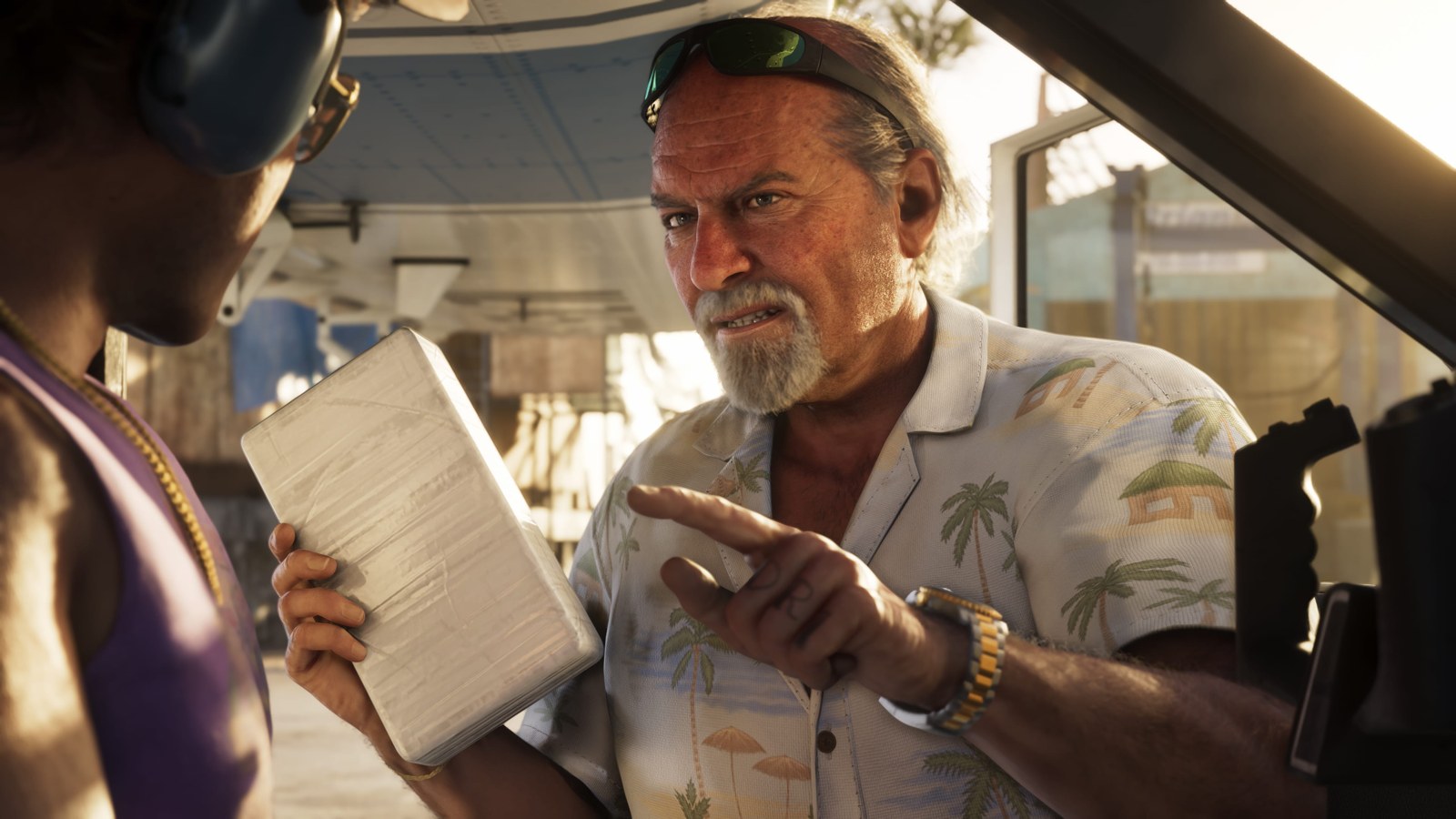
Start with the particular thing you made
A custom script, an edited video and a car assembled from game assets can involve different rights and agreements. The useful starting question is what your project contains and what you intend to do with it. A single ownership claim won’t describe every contribution.
You might have written dialogue yourself while using a game’s characters, locations and recorded footage. Another person may have supplied music or a model. Publishing, selling and licensing the finished project each raises questions about those components.
This article is a document-reading and project-planning guide. It draws on official publisher policies and US Copyright Office resources, with examples that illustrate the checks a creator can make. It doesn’t decide the legal status of a particular project or replace advice from a qualified professional about your circumstances.
Separate your contribution into understandable parts
Create an inventory before you promise anyone a license. List the script, voice recording, footage, artwork, music, software and any purchased resources. Identify who supplied each item and where its terms are recorded.
A simple spreadsheet can make this manageable. Use a row for each component and columns for creator, source, permission, intended use and unresolved questions. Keep the original documents alongside it so you can trace a note back to the wording you relied on.
You’ll often discover that different people contributed different kinds of work. A person who recorded gameplay may have supplied the capture, while the game contains material controlled by others. Record both layers without assuming one permission settles the whole project.
Mark anything you can’t explain. An uncertain source link or missing agreement is a task to resolve before publication or delivery. That is easier to handle while the project is still editable.
Copyright and permission describe different questions
The US Copyright Office explains that copyright protects original expression fixed in a tangible form. It also explains that ownership can depend on employment, contracts and transfers. Its resources are a useful starting point for understanding why a credit line alone can’t settle a project’s permissions.
For your working records, distinguish who created a component from who can authorize its proposed use. Those answers can be different when an employer, client or prior agreement is involved. Ask the contributor to identify any relevant restrictions before incorporating the work.
You’ll want to know whether permission covers the final use you’re planning. A contribution cleared for one channel may need another discussion before an advertisement, paid download or third-party distribution deal.
Keep the questions narrow. Describe the asset and destination clearly, then ask for the corresponding permission. A broad request to use something can produce an answer that leaves both sides with different expectations.
Read the agreement for the service you use
Rockstar’s legal hub contains its current terms. Creator Services such as FiveM and RedM also have a Creator Platform License Agreement. The January 12, 2026 document incorporates other policies and provides a limited license subject to compliance.
Its ownership section reserves rights in the covered games and related material while recognizing that separate creator rights can exist under applicable law. That wording deserves careful reading in context. It doesn’t support a blanket promise that every item you create can be sold or licensed without restrictions.
Use the document that applies to your project, with its current date and linked policies. An old forum summary may describe a different version or omit a condition that matters to your plans.
You’ll make a better request for clarification if you explain which service, game, content and commercial use are involved. Save the response with the project records and check whether a later change to the plan needs another review.
A purchased resource comes with a defined scope
Buying a resource for a server can provide a license with specific permissions. Read what the purchase allows before assuming you can transfer the file, include it in a pack or sell it to another operator.
The Creator Platform License Agreement describes marketplace licenses and restrictions, including limits on standalone redistribution. Review the full marketplace section and any applicable transaction terms for the item you intend to use.
For your records, keep the product page, receipt, version and license together. Note the account or server associated with the purchase and how updates are provided. If a collaborator handles installation, make sure they understand the same conditions.
You’ll avoid confusion when a team changes by deciding who holds the account and who can access the files. A server handover or a new business arrangement may require fresh checks. Ask the provider about the proposed change before moving a resource into another environment.
Other creators’ material needs its own check
A project can include material supplied by a modder, photographer, musician or another player. Get a clear account of where it came from and which uses were authorized. An attractive screenshot or a downloadable file may have conditions attached.
When requesting permission, identify the specific item and show how it will appear. Include the website or platform, whether money is involved, whether you’ll edit it and whether another company will receive a copy. Ask for any required credit wording.
You’ll get a more useful answer when the contributor can understand the proposed context. A short excerpt in an article and a promotional campaign can create different expectations even when they use the same image.
If permission is missing, choose another component or adjust the project while you investigate. Keep the unresolved item out of a delivered package until you know what you can promise about it.
Music creates another layer
A recording can contain music that belongs to someone outside your project. That includes songs captured during gameplay as well as tracks added during editing. Treat the soundtrack as a separate item in your inventory.
The Creator Platform License Agreement specifically limits rights involving third-party music in Creator Services. A song appearing inside a covered game doesn’t by itself establish permission for every use of that song in your own project.
For a video, consider whether you can use your own appropriately cleared audio or capture footage without the relevant music where the game supports it. Inspect the finished export so a quiet background track doesn’t slip through unnoticed.
You’ll also want the license for any replacement music to match your distribution plan. Read whether it covers monetized channels, client work, paid promotion and the territories you need. Save the terms that applied when you acquired the track and follow any attribution instructions.
A fan-posting policy has a purpose
Rockstar’s published footage policy addresses occasional non-commercial fan use and lists material it may remove. It also says the policy doesn’t cover certain exploitation involving film, television, advertisements or digital publishing, and provides a licensing-request route.
A professional project should account for that stated scope before relying on a general fan permission. Describe what you plan to publish and how it will be funded. Keep editorial reporting, client advertising and a proposed licensing sale clearly identified in your records.
You’ll want specific guidance when the proposed use sits outside the published permission. Send a concise description through the official route or obtain suitable professional advice. Don’t treat the existence of similar videos online as a substitute for your own assessment.
An unanswered request leaves the question unresolved. Adjust the project or wait for clarification before making a promise to a buyer that you control every required right.
Attribution helps readers understand the work
A good credit tells people who contributed and where to find the source. It supports accountability and lets another person locate the project you’re discussing. It should accurately describe the contribution being credited.
For example, distinguish the person who filmed a clip from the person who created the mod shown in it. A project’s artwork may have another artist. Record those names while collecting material so you aren’t reconstructing the chain at the end.
You’ll still need to check permission separately. A credit can satisfy an attribution condition when the relevant license requires it, but the credit line alone won’t describe all the other conditions of use.
Keep credits with your final delivery. If another publisher receives the work, identify which credits must remain attached and where they should appear. That makes it easier for the next team to publish accurately without guessing who made each component.
Fair use needs a specific assessment
The US Copyright Office explains that fair use depends on the circumstances and has no universal allowance measured in a fixed number of words or a percentage. That makes a simple rule about a particular clip length unreliable.
If your project relies on a legal exception, identify that basis and the specific material involved. A critical article, an advertisement and an entertainment compilation raise different questions. Seek qualified advice when the decision has meaningful consequences for your publication or client.
You’ll help that review by keeping the original source, the exact excerpt and an explanation of why it is needed. Show the context around it and the distribution plan. Clear records are more useful than a vague statement that everything online is fair use.
Avoid promising a buyer that an exception automatically protects their separate use. A new edit, destination or purpose can require another assessment. Keep the scope of your own claims limited to what has been reviewed.
Collaborators need an agreement they understand
When several people work on a project, discuss delivery and permissions before the work expands. Identify who is responsible for the script, artwork, recording, editing and final publication. Decide how each person’s contribution will be credited.
Put the intended uses in writing. Include where the work will appear, whether it can be edited, who can distribute it and how further requests will be handled. A clear agreement gives the team a shared reference when circumstances change.
You’ll also want a plan for unfinished work. Decide what happens if someone leaves, a deadline moves or the project is canceled. Keep access to shared files and accounts consistent with those decisions.
Use professional help for agreements that need it. A template can leave important questions unanswered when it doesn’t match your arrangement. The goal is a document the contributors understand and can follow through the life of the project.
A licensing request needs a precise description
Before approaching a platform or buyer, assemble a short project summary. Identify the finished work, the rights you believe you control, the third-party components and any restrictions. Explain the distribution you’re proposing and whether the request includes exclusivity.
Separate material you can deliver from material still awaiting clearance. This helps a prospective partner assess the project without assuming every component is ready. Keep a list of source files, credits and documentation that can be supplied if needed.
You’ll make negotiations easier by describing the proposed use in concrete terms. Duration, territory, editing, promotional clips and sublicensing can all matter. Avoid using a broad phrase such as full rights when your documents support a narrower arrangement.
If the buyer changes the plan, update the inventory and permissions review. A project cleared for your website may require additional work before television distribution or a branded campaign.
Keep an archived copy of the approved final version with the correspondence that describes it. A filename, date and version number help everyone identify which edit was reviewed. You can then compare a later request against a known piece of work.
Keep the promise as narrow as the evidence
The useful answer to who owns a player-created GTA project depends on its components, applicable agreements and proposed use. Your records should explain those layers clearly enough that you can identify what is settled and what remains open.
Start with an inventory, read the relevant current terms and obtain the permissions your project needs. Preserve credits and written responses. Bring unresolved questions to qualified help before signing a consequential agreement.
You can still create ambitious work inside a game community. A careful permissions process helps you describe that work honestly to collaborators, audiences and potential buyers. The strongest promise is the one your documentation supports.
Sources and further reading
- US Copyright Office explanation of copyright ↗
- US Copyright Office permission and fair-use FAQ ↗
- Rockstar Games legal terms ↗
- Creator Platform License Agreement dated January 12, 2026 ↗
- Rockstar policy on posting copyrighted material ↗
Source-based reporting and analysis. Research checked November 10, 2026.