Start with the place and the purpose
GTA's Florida-inspired setting works by selecting details, exaggerating them and arranging them around a crime story. You can enjoy recognizing a coastline or a style of building while keeping that creative purpose in mind. A game can capture something recognizable about a place and still leave out much of the life that makes it work.
Rockstar describes GTA 6's story as stretching across Leonida, with Vice City at its center. Its official character and location material gives us a starting point for discussing the setting. This feature compares that framing with public information about Florida. It doesn't claim to review the complete game before release or represent the views of Florida residents we haven't interviewed.
The useful approach is to examine specific choices. Architecture can be compared with documented buildings. Wetland imagery can be considered alongside information about habitats. A fictional character can be discussed as a character without turning them into a stand-in for everyone who lives nearby. Specific comparisons make the conversation more useful.
The beach skyline has a history
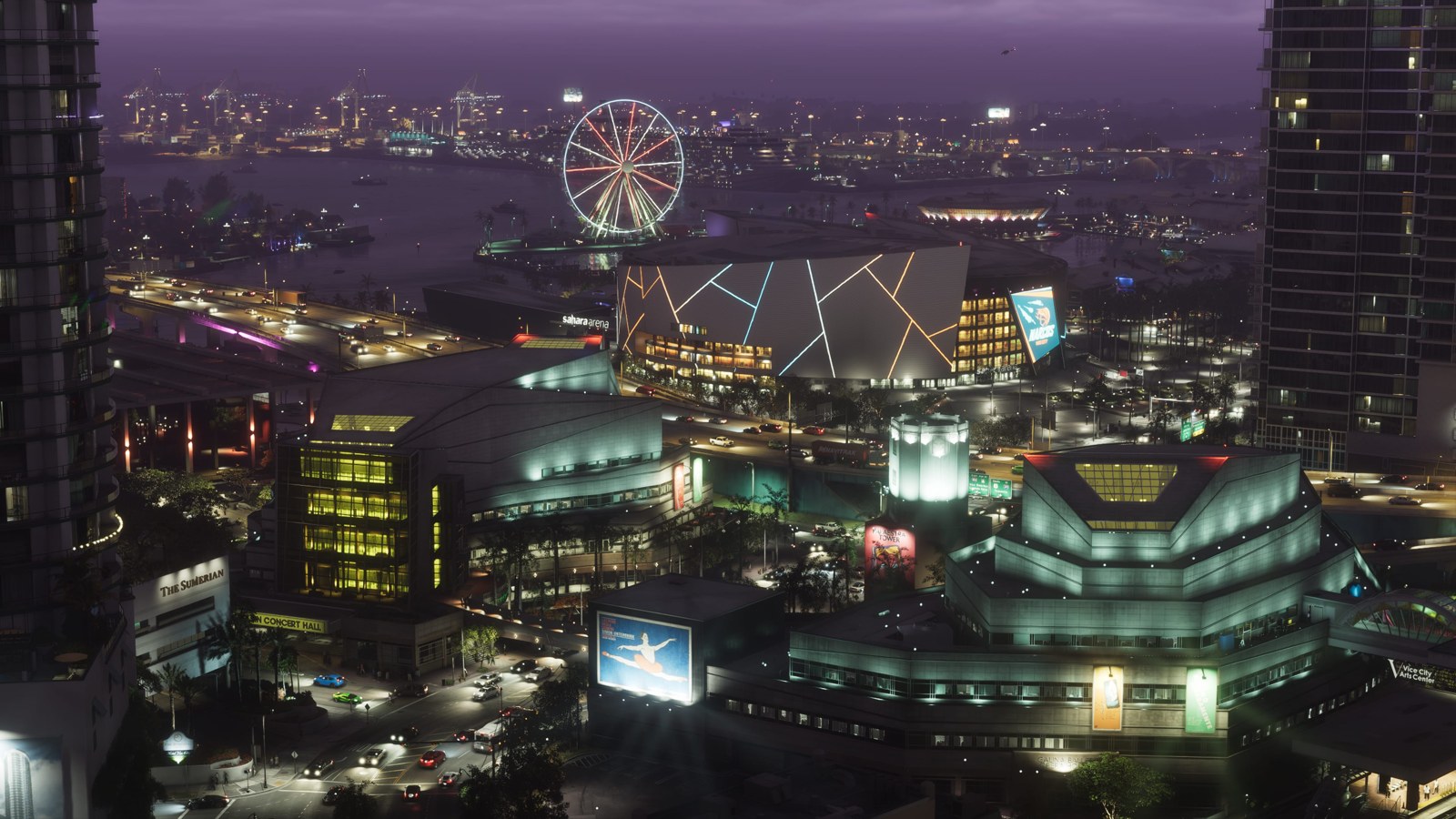
Miami Beach's architecture gives a Florida-inspired city a strong visual identity. The City of Miami Beach documents Art Deco, Mediterranean Revival and Miami Modern architecture across its historic districts. These styles carry different histories, even when a quick image groups them together as a single beach aesthetic.
You can recognize the appeal for a game artist. Distinctive rooflines, repeated windows, signs and hotel fronts help establish a district at a glance. They can make a street readable while contributing to a particular mood. A carefully chosen building shape may tell you where you are before a map label appears.
What gets lost when everything becomes a backdrop is the work involved in preservation. The city describes the campaign to protect its Art Deco buildings and the role of preservation advocates. Those streets survived through decisions and effort. A useful comparison gives that history some room, especially when a game encourages you to become curious about the architecture.
The city's architectural guide identifies the Colony Hotel on Ocean Drive as a 1935 Henry Hohauser design and lists the National Hotel on Collins Avenue as a 1940 Roy France building. These are named places with credited designers. They offer firmer comparison points than a loose claim that every curved hotel front resembles the same building. We aren't identifying either property as a confirmed GTA model.
Miami and Miami Beach need separate attention
Place names can become blurred when a fictional city borrows recognizable features from several areas. A beach district, a downtown skyline and an inland neighborhood can appear close together in a game because the map needs convenient connections. That arrangement serves travel and storytelling.
If you decide to visit Florida after playing, use a current map and local visitor information. Don't assume that two recognizable landmarks are a short walk apart because their fictional counterparts share a district. Bridges, travel times, access rules and the relationship between separate municipalities all affect a visit.
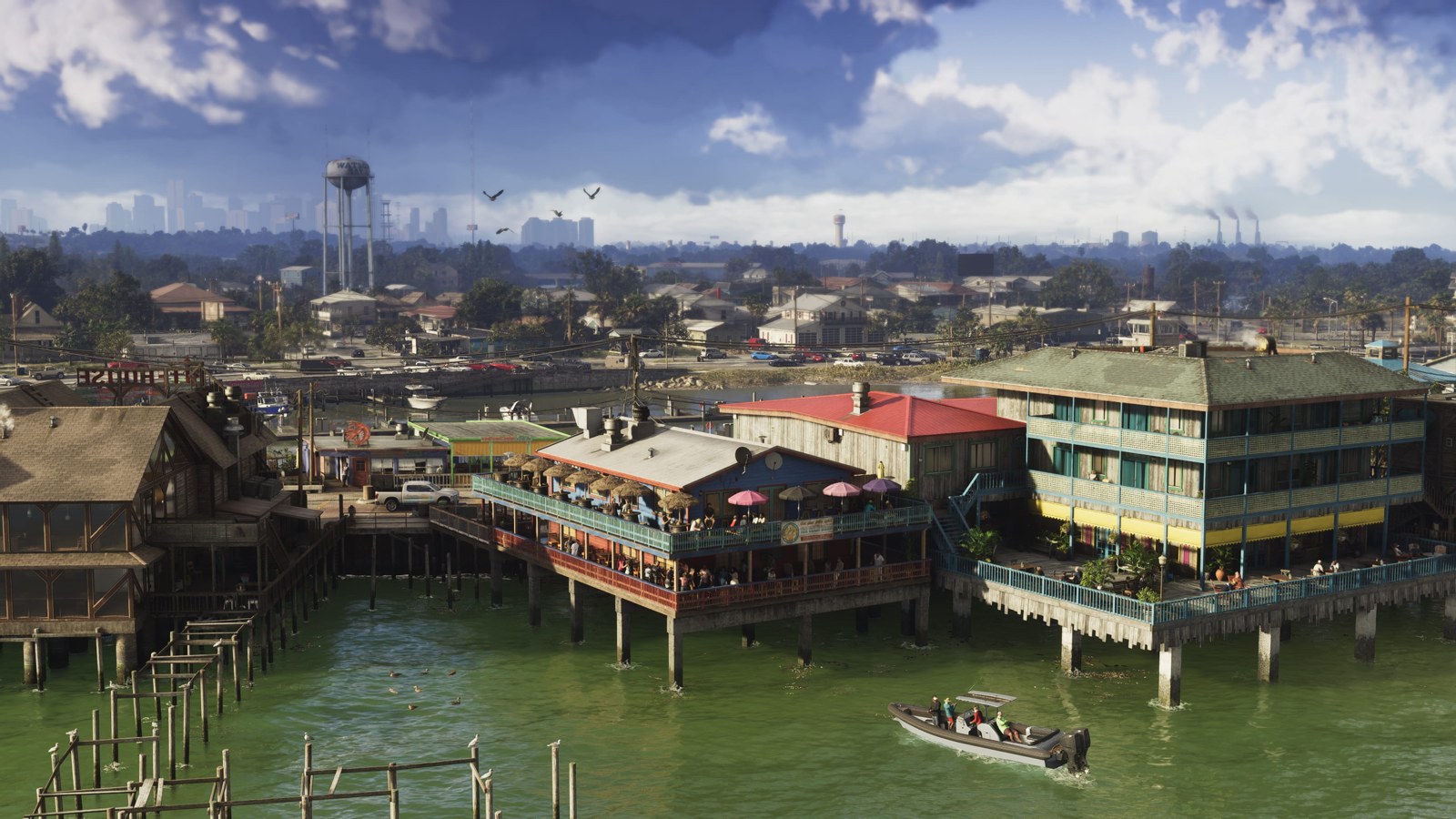
For coverage, naming a specific inspiration is more useful than describing every waterfront building as Miami. It allows readers to follow up and understand the place more clearly. Where a connection is based on visual similarity, describe it that way. A screenshot comparison alone can't establish the developer's full research process or intent.
The wetlands are a living system
A swamp can look like a dramatic escape route in a crime game. The Everglades has a much wider ecological role. The National Park Service describes an environment shaped by water, small changes in elevation, salt and a range of habitats. Those relationships help explain why the landscape deserves attention beyond its use as a dangerous backdrop.
That context can change the way you read a game image. Open water, vegetation and low ground suggest different conditions. A setting that gives those spaces distinct visual character can encourage curiosity about the landscape. A setting that repeats one anonymous patch of reeds everywhere gives you less to understand.
The comparison still has limits. A dramatic screenshot can't establish ecological accuracy, and a game's playable boundaries won't match the management of a national park. You can appreciate the atmosphere while checking any specific wildlife or habitat claim against a specialist source. The environmental detail becomes more interesting when its source is clear.
Wildlife deserves more than a threat label
Animals can become an easy shorthand for Florida's reputation. A clip of a large reptile near a road travels quickly, while routine work protecting habitat attracts less attention. Repeating only the spectacular images can leave you with a narrow impression of the place.
The National Park Service asks visitors to keep their distance from wildlife, avoid feeding animals and prepare for conditions. That guidance belongs to visiting a protected environment. It also offers a useful reminder when discussing game-inspired tourism: behavior that produces a funny clip in a fictional world can be harmful or dangerous outside it.
In an article about GTA, wildlife coverage should identify what the game has shown and avoid promises about behavior that hasn't been tested. A visible animal establishes its appearance in that material. It doesn't establish a complex simulation, a particular encounter frequency or a feature you can use during every mission. Keep the description proportional to the evidence.
The Keys connect land and water
Florida's island landscapes offer a different visual rhythm from a dense city. Roads, shorelines, marinas and open water can make travel feel exposed and directional. A fictional version can use those features to create a strong change of atmosphere, even when the distances have been compressed.
The region also includes protected marine environments. NOAA provides information about the coral reef and the Florida Keys National Marine Sanctuary. That helps ground discussion of the water in something beyond a scenic blue surface.
If GTA encourages you to learn about these places, use conservation and visitor sources alongside entertainment coverage. A game can't prepare you for every access restriction, weather condition or environmental concern. Its setting can start the interest, and local information can help you pursue it responsibly. The two experiences have different practical demands.
Rockstar explicitly names Leonida Keys in its promotional location material. That makes the island comparison a documented starting point. NOAA's reef information adds an important layer: the water contains habitats shaped over long periods, with organisms serving different roles. A game image may capture an appealing color and horizon while leaving that environmental relationship outside its immediate story.
Weather shapes ordinary routines
Florida's weather is often presented through spectacle, but daily planning can be shaped by heat, humidity and seasonal conditions. The National Park Service's Everglades safety guidance asks visitors to prepare for changing conditions and bring suitable supplies. That is a more useful starting point for travel decisions than a dramatic storm sequence.
A game may use changing light and weather to establish mood or vary visibility. Those are design choices we can assess through play. They don't establish that the simulation teaches you how to respond to a storm or plan a safe outdoor trip. You should use current local guidance for those decisions.
For criticism, weather becomes interesting when it affects the experience beyond appearance. It may change how a familiar route feels or make a place easier to distinguish. The question for a review is what the game demonstrates consistently. Screenshots can support a visual observation, while claims about wider systems need more evidence.
A crime story selects a narrow view
GTA follows people involved in crime, so conflict and danger receive unusual attention. That choice helps shape its missions and characters. It also means the game offers a highly selected view of its setting. An event can be central to a story while being far from the everyday experience of most residents.
You can discuss that selection without demanding that every mission pause for a documentary. A review can examine who gets a voice, which neighborhoods receive detail and how people are characterized. It can also distinguish an exaggerated fictional institution from the public service or community that a reader might associate with it.
The strongest criticism uses examples and describes their effects. A broad claim that the game understands an entire state is difficult to defend. A specific observation about a character, location or joke gives readers something they can evaluate. It also leaves room for residents to disagree and add perspectives that the game doesn't provide.
Local culture needs people as well as scenery
Buildings and music can establish a recognizable setting, but a community also depends on language, work, family and institutions. A game may suggest those through dialogue and incidental details. The depth of that portrayal needs careful examination, especially where a brief appearance becomes the basis for a general claim about a group.
You can assess whether a character has a goal beyond supporting a joke, whether people from the same background receive distinct personalities and whether a neighborhood has ordinary activity alongside the missions. A full assessment needs examples from the finished work.
Our coverage should avoid inventing a resident's response. If we want to report how a community receives the game, we need to speak with people and attribute their views accurately. Until then, we can explain our own reading and identify the public sources behind a geographic comparison. Clear attribution keeps the scope honest.
Satire can invite curiosity or flatten a place
Exaggeration can help you recognize an absurd habit or a contradiction. It can also make a place seem like an endless collection of unusual incidents. The effect depends on the examples, the framing and how the surrounding story treats its characters. A familiar joke can land differently for someone who lives with the stereotype.
For you as a player, it helps to keep track of what the scene establishes. A character's behavior tells you about that character. An advertisement tells you about a fictional brand and the joke being made. Extending either into a claim about everyone in Florida requires evidence the scene can't supply.
That leaves plenty of room to enjoy the humor. You can laugh at a scene, question its target and still explore what inspired it. Good cultural coverage allows those reactions to coexist and gives you enough detail to form your own judgment. It doesn't need to assign one response to every reader.
A fair verdict needs to name what was compared
The strongest part of the connection so far is the decision to give Leonida more than a single beach-city identity. Rockstar's official material names the Keys and Grassrivers alongside Vice City. That gives coverage a way to discuss islands and wetlands as well as an urban skyline. It still leaves the finished game's depth and everyday portrayal to be assessed.
What would weaken that portrayal is treating every place as another stage for the same joke. A recognizable building, an animal encounter and a criminal character can each be vivid while giving you a narrow impression of a community. Our criticism should explain the selection and its effect, with a scene or location attached to the argument. That lets the title's judgment stay tied to evidence available at the time of writing.
Use the game as a starting point for discovery
A practical way to explore the setting is to choose one element that interests you and follow it outward. Architecture can lead you to preservation history. A wetland landscape can lead you to park information. A stretch of islands can lead you to marine conservation and the geography of the Keys.
Keep a clear boundary between an official development claim and your own comparison. If Rockstar names a location, cite that material. If you identify a resemblance, describe what you compared. If a local source corrects the connection, update the article. That process gives readers a trail they can check and follow.
GTA can make a fictional place feel vivid enough to inspire a journey. Florida rewards a wider curiosity when you take that next step. Its architecture, habitats and communities have histories that continue beyond any game, and learning about them can make your next drive through Vice City more interesting too.
Sources and further reading
- Rockstar Games official GTA VI page ↗
- Rockstar Games Only in Leonida ↗
- City of Miami Beach architecture guide ↗
- City of Miami Beach Art Deco history and buildings ↗
- National Park Service Everglades nature guide ↗
- National Park Service Everglades visitor safety ↗
- NOAA Florida Keys coral reefs ↗
Source-based reporting and analysis. Research checked November 10, 2026.